




2026.10.09
High-Frequency for Sagging: Costs, Results & What to Expect
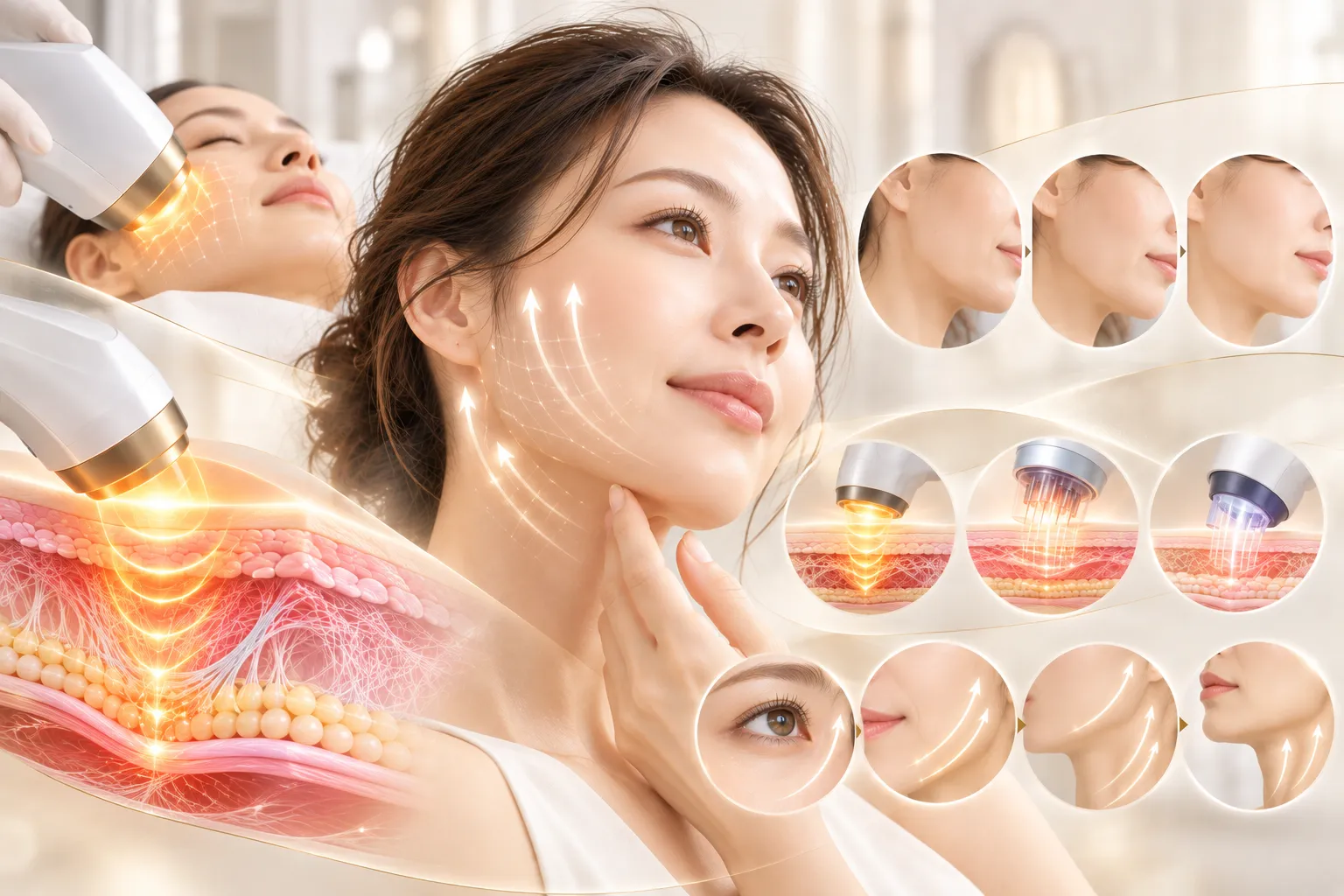
As we age, subtle changes in our facial structure begin to alter our appearance. You might notice a slight loss of definition along your jawline, deeper laugh lines, or a general tired look that even premium skincare cannot fully resolve. While surgical facelifts offer a dramatic change, they come with substantial downtime and risks. For those seeking a natural, refreshed appearance with minimal disruption to their busy routines, high-frequency (Radio Frequency, or RF) skin tightening has emerged as a premier non-surgical alternative.
What Is High-Frequency (RF) Treatment for Sagging Skin?
Our skin is composed of three primary layers: the epidermis, the dermis, and the hypodermis, with the SMAS (superficial musculoaponeurotic system) fascia layer lying beneath them. True facial sagging is not merely a surface-level issue; it is caused by structural changes within these deeper layers, particularly the dermis and the hypodermis. While topical creams are excellent for hydrating the epidermis, they cannot penetrate deep enough to address the root causes of skin laxity.
How RF Works to Tighten and Lift
High-frequency treatments utilize radiofrequency energy (often operating at an advanced frequency like 40.68 MHz or 6.78 MHz) to deliver controlled thermal energy directly to the deeper dermis and subcutaneous fat layers. By heating these tissues to an optimal temperature of approximately 42°C, the treatment immediately shrinks loose collagen fibers. This thermal reaction triggers a natural wound-healing response inside the skin, leading to tissue contraction and an instant feeling of firmness.
The Science: Stimulating Collagen and Elastin Production
The true magic of high-frequency energy lies in its long-term biological effects. The thermal stimulation gently wakes up specialized cells in the dermis called fibroblasts. These fibroblasts are responsible for producing collagen and elastin—the structural proteins that keep skin bouncy and elastic. Over the weeks and months following your treatment, the body continuously synthesizes fresh collagen, replacing old, stretched fibers with a dense, youthfully organized network that naturally lifts and firms the skin from within.
What to Expect: The Results of High-Frequency Treatment
Unlike surgical procedures that can sometimes result in an overdone or pulled look, high-frequency treatments work with your body’s natural regenerative processes to deliver a beautifully refreshed appearance. It is an ideal solution for individuals who want to look like a well-rested version of themselves.
Immediate vs. Long-Term Effects
You can expect to experience two distinct phases of results. Immediately after the session, you will notice a subtle tightening and a healthy, post-treatment glow. This is caused by the temporary contraction of existing collagen fibers. The more dramatic, structural improvement develops gradually over the next 1 to 2 months. As your fibroblasts produce new collagen and elastin, your skin texture refines, fine lines soften, and the overall contours of your face become noticeably firmer.
How Long Do Results Last?
The longevity of your results depends on the specific device used and your skin’s natural aging process. Generally, the benefits of a high-frequency treatment cycle last between several months to a year. To maintain these results and consistently prevent future sagging, practitioners typically recommend undergoing a maintenance session 2 to 3 times per year.
Before and After: Real Patient Examples
Real-world outcomes highlight the practical benefits of RF therapy. Patients in their 40s and 50s commonly see a reduction in the depth of their nasolabial folds, a more defined jawline, and a lifting of mild sagging around the cheeks. While it does not duplicate the dramatic changes of a surgical facelift, it significantly reduces the tired appearance caused by volume loss and skin laxity, allowing individuals to feel confident with lighter makeup.
Is High-Frequency the Right Treatment for You? RF vs. HIFU
When researching non-surgical anti-aging solutions, you will frequently encounter both High-Frequency (RF) and HIFU (High-Intensity Focused Ultrasound). Understanding how these two popular technologies differ is essential for choosing the right approach for your unique facial structure.
Targeting Different Skin Layers: Dermis vs. SMAS
RF and HIFU operate at different depths. High-frequency RF energy gently diffuses heat throughout the dermis and superficial adipose (fat) layers. In contrast, HIFU concentrates ultrasound energy into highly focused points, reaching past the dermis to target the deep SMAS fascia layer—the same structural layer that plastic surgeons adjust during a facelift.
Comparing Treatment Goals: Skin Tightening vs. Deep Lifting
Because they target different depths, their primary goals differ. RF excels at overall skin tightening, improving skin elasticity, softening fine wrinkles, and restoring a plump, healthy texture. HIFU specializes in deep lifting and tissue contraction, making it highly effective at pulling up sagging facial contours and reshaping the jawline.
Which is Better for Your Type of Sagging?
The ideal choice depends on the underlying cause of your sagging:
- RF is best if your primary concern is a loss of skin elasticity, thinning skin, fine lines, or mild sagging due to collagen depletion.
- HIFU is best if you are experiencing muscle- or fat-related sagging, such as a heavy double chin, prominent jowls, or structural sagging along the lower face.
Combination Therapy: Can You Use Both?
For comprehensive rejuvenation, many advanced clinics recommend combining both modalities. By addressing the deep SMAS layer with HIFU and the superficial dermis with RF, you can achieve a multi-layered, three-dimensional lift that addresses both structural sagging and surface-level skin laxity simultaneously.
Understanding the Costs of High-Frequency Treatments
Investing in your skin is a significant decision. Understanding the pricing landscape helps you make an informed choice that fits your budget and expectations.
Average Price Range per Session
The cost of high-frequency treatments varies widely based on the technology used. Standard, gentle RF sessions (such as Accent treatments) can range from approximately 25,000 to 30,000 yen per full-face session. Modern, high-performance medical-grade RF devices typically cost between 30,000 and 150,000 yen per session. Premium, patented systems can cost considerably more, sometimes reaching 200,000 to 300,000 yen per treatment. These figures are general market averages, and actual pricing varies by clinic, device, and treatment area, so please confirm current pricing directly with your provider.
Factors That Influence the Final Cost
Several variables contribute to the pricing of your treatment plan:
- Premium, established brands with proprietary technology carry a higher price tag.
- A full-face treatment that includes the eyes, cheeks, and neck will cost more than a localized treatment targeting only the jawline.
- Highly skilled dermatologists or plastic surgeons who customize the energy delivery to your specific anatomy may charge more for their clinical expertise.
Is It a Worthwhile Investment for Anti-Aging?
While high-end skincare creams and routine facial massages provide surface hydration and temporary relaxation, they cannot rebuild collagen in the deep dermis. For those looking for tangible, clinically proven improvements in skin firmness and contouring without the risks and downtime of surgery, high-frequency treatments offer a highly cost-effective, reliable investment in long-term skin health.
A Guide to Popular High-Frequency Devices
Not all RF treatments are created equal. The market features various devices, each utilizing different delivery methods and technologies to target skin aging.
The Pioneer: Thermage
Thermage has long been regarded as the gold standard in the history of radiofrequency skin tightening. For years, its advanced specifications were protected by strict patents, keeping treatment costs exceptionally high (typically 200,000 to 300,000 yen). Thermage utilizes a patented, vibration-based handpiece designed to minimize discomfort while delivering deep, powerful energy, making it a highly reliable but premium-priced option.
The New Generation: Volnewma, Denity, and More
Following the expiration of certain Thermage patents, medical manufacturers in countries like South Korea developed a new generation of high-frequency devices. Devices such as Volnewmer, DENSITY, and Oligio X operate at the same high surface output frequency (6.78 MHz) as Thermage, but at a fraction of the cost, offering outstanding cost-performance.
- Volnewmer utilizes a rolling application method, continuously moving across the skin to deliver consistent heat. This method requires high operator technique to avoid uneven heating.
- DENSITY employs a direct application (stamp-style) method, which reduces technique-based variation and ensures highly consistent results. DENSITY also features interchangeable tips, allowing for both deep monopolar RF delivery and superficial bipolar RF treatments (perfect for fine lines and instant surface tightness).
How to Choose the Right Device and Clinic
When selecting a treatment, look beyond the brand name. Direct-application devices like Denity offer predictable, uniform results even when performed by different practitioners. If you are concerned about specific fat pockets or double chins, you might also consider combining your RF treatment with specialized fat-reduction ultrasound therapies, such as Ultra V Shape, which uses HIFU (High-Intensity Focused Ultrasound) technology to selectively destroy fat cells.
The Treatment Journey: What to Expect Step-by-Step
To help you feel completely comfortable before your visit, here is what a typical high-frequency treatment journey looks like from start to finish.
The Initial Consultation: Are You a Good Candidate?
Your journey begins with a thorough medical consultation. A qualified practitioner will examine your skin texture, assess the degree of sagging, and review your medical history to ensure the treatment is safe and effective for you. This is the perfect time to discuss your goals and establish a personalized treatment roadmap.
During the Procedure: Sensations and Pain Level
During the session, a cooling gel or specialized treatment tip is applied to your skin. As the device delivers RF energy, you will feel a deep, soothing warmth. While some areas near bony prominences (like the jawline) may feel slightly more intense, most patients describe the sensation as a comfortable, hot stone massage rather than pain. Treatments are highly tolerable, and anesthesia is rarely required.
Aftercare and Downtime: Getting Back to Your Routine
One of the greatest advantages of high-frequency therapy is its minimal downtime. You can typically apply makeup, wash your face, and return to your office or daily routine immediately after leaving the clinic. Your skin might look slightly flushed, similar to a post-workout glow, but this typically fades within a few hours. Post-treatment care simply requires keeping your skin hydrated and applying daily sun protection.
Safety First: Potential Risks and Side Effects
High-frequency treatments are generally considered very safe when performed by trained professionals using medical-grade equipment, but as with any treatment, it is important to be aware of potential side effects.
Common and Temporary Side Effects
The most common side effects are mild and temporary. You may experience slight redness, mild swelling, or a feeling of tight stiffness immediately after the session. In very rare instances, if the treatment tip does not maintain perfect contact with the skin, small blisters or minor welts can form, but these typically heal quickly without leaving scars.
Who Should Avoid High-Frequency Treatment? (Contraindications)
While RF is suitable for most people, certain medical conditions make the treatment unsafe. Contraindications include:
- Pregnancy or breastfeeding
- The presence of pacemakers or other implanted electronic devices
- Metal plates, pins, or silicone implants in the treatment area
- Severe active skin infections, open wounds, or active acne in the target area
- A history of keloid scarring
- Severe cardiac disease, bleeding disorders, or uncontrolled diabetes
Frequently Asked Questions (FAQ)
To help address common concerns, we have gathered answers to the questions patients ask most frequently when considering high-frequency skin tightening therapies.
How many sessions will I need?
While you will notice an initial tightness after just one session, a standard recommendation for optimal, long-lasting collagen remodeling is a series of initial treatments, followed by maintenance sessions spaced 2 to 3 times per year, depending on the device used.
How long does a session take?
A typical full-face high-frequency treatment takes approximately 30 to 60 minutes, making it highly convenient to fit into a busy schedule.
When will I see the final results?
Initial firming is visible almost immediately, but the peak results of your collagen regeneration will gradually appear between 1 to 2 months post-treatment.
Is the treatment painful?
Most modern RF devices are designed with integrated cooling systems and optimized energy delivery to ensure comfort. You will feel a deep warmth, but severe pain is highly uncommon.
Take the Next Step: Finding a Trusted Provider
Achieving a naturally refreshed, youthful appearance starts with choosing the right clinic. Look for providers that offer transparent pricing, carry reputable, modern medical devices, and prioritize thorough consultations. By partnering with a clinic that understands your lifestyle and takes the time to create a customized treatment roadmap, you can confidently invest in your skin and enjoy a radiant, firmer complexion that reflects your inner vitality.
監修医師

院長大河原 萌乃
経歴
- 2018
- 杏林大学医学部卒業
- 2018
- 東京女子医科大学病院にて皮膚科、麻酔科、形成外科などを経験
- 2020
- 某大手美容クリニックに入職しレーザー治療、ボトックス注射、ヒアルロン酸注入、また埋没や目の下のくまとり、糸リフトなどの手術も数多く経験
- 2023
- 某大手美容クリニックのスキン院長を歴任
- 2023
- MATSURIKA CLINIC GINZA(茉莉花クリニック銀座) 入職
所属学会
- 日本美容外科学会、日本抗加齢医学学会、日本レーザー医学会、日本医学脱毛学会
- アラガン施注資格認定医
- ジュビダームビスタ認定医
- ジュビダームビスタボリフトXC認定医
- ジュビダームビスタボリューマXC認定医
- ジュビダームビスタボライトXC認定医
- ウルセラ認定医
- サーマクール認定医
