



2026.08.02
How to Choose an Ultherapy Clinic: The Definitive 2026 Guide to Avoiding Regrets
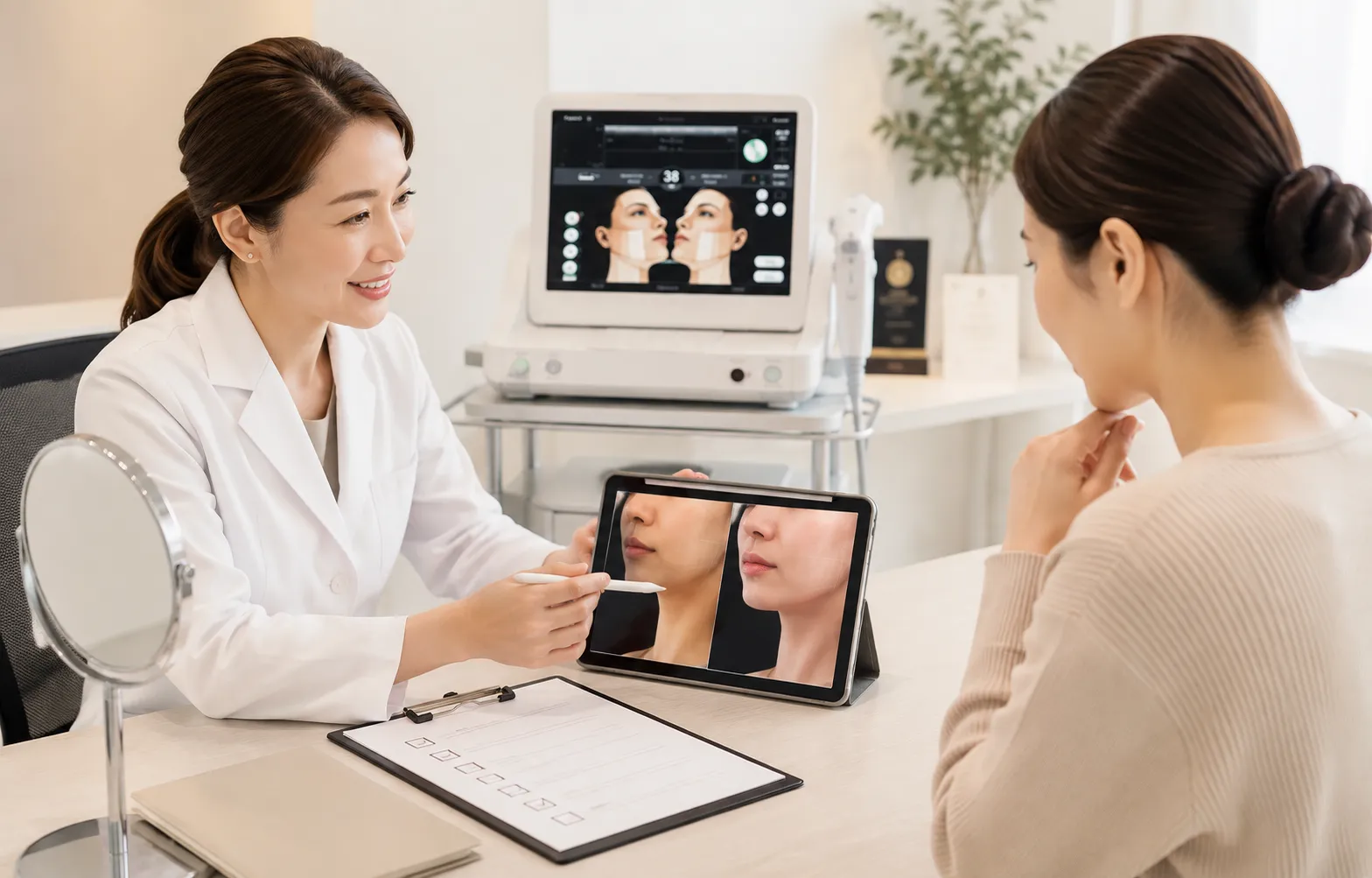
As we age, facial sagging becomes a subtle yet persistent concern that affects how we present ourselves to the world. For busy professionals seeking a non-surgical solution that delivers reliable, natural-looking results, Ultherapy remains a well-established medical option. However, achieving the best outcome depends heavily on where you receive your treatment, making a well-informed decision about your provider absolutely essential.
Introduction: Why “Clinic Selection” Determines 90% of Ultherapy Results
Unlike standard skincare routines or simple facial treatments, Ultherapy is a highly sophisticated medical procedure that relies on precise anatomical targeting. The device uses high-intensity focused ultrasound to heat deep tissue layers, which requires deep clinical knowledge to administer safely. Because the operator must customize the energy level, depth, and angle for each individual face, the skill and integrity of the practitioner are widely regarded as the single biggest determinant of your final aesthetic result.
Basic Knowledge of Ultherapy You Need to Know to Avoid Regrets
Before committing to a clinic, developing a solid understanding of how Ultherapy works, what makes it unique, and what to expect during recovery is the best way to safeguard your investment and peace of mind.
What Is Ultherapy in the First Place? Explaining the Mechanism That Targets the Root Cause of Sagging
Ultherapy is an FDA-cleared, non-invasive treatment that targets the Superficial Muscular Aponeurotic System, commonly known as the SMAS layer. This is the same deep foundational tissue that plastic surgeons tighten during a traditional surgical facelift. By delivering precise micro-focused ultrasound energy to this specific depth, Ultherapy creates micro-thermal coagulation points, which immediately contracts the collagen fibers and initiates a natural tissue repair process.
The Decisive Difference from Medical HIFU: FDA-Cleared “Lifting Effect”
While many aesthetic clinics offer various medical HIFU devices, Ultherapy is distinguished by being the only non-invasive procedure cleared by the US FDA specifically for lifting the skin on the neck, under the chin, and on the eyebrow, along with its real-time visualization technology that allows practitioners to see the exact tissue layers they are treating. It is important to note that in Japan, Ultherapy is offered exclusively as a self-pay (自由診療) treatment using a device imported by physicians under Japan’s personal-importation framework, and it has not received approval from Japan’s Ministry of Health, Labour and Welfare or the Pharmaceuticals and Medical Devices Agency (PMDA). Before treatment, patients should confirm that the clinic has clearly explained this unapproved-device status, the import channel used, whether any domestically approved alternative treatments exist, and that Japan’s adverse-drug-reaction relief system does not cover unapproved devices.
When Do Results Appear? Duration and Recommended Treatment Frequency
The lifting process occurs in two distinct phases: an immediate contraction of existing collagen fibers followed by gradual neocollagenesis over several months. Most individuals notice the first visible improvements within two to three months, with peak results manifesting around the six-month mark. The lifting and tightening effects commonly last around twelve to eighteen months, with some patients retaining visible benefits for up to two years depending on skin quality and lifestyle; many providers recommend a maintenance session roughly once a year to sustain results.
Pain, Downtime, and Side Effect Risks You Need to Know
While Ultherapy is highly effective, it does involve a sensation of deep, localized heat as the ultrasound energy reaches the structural layers of the skin. Most clients describe this as a transient, deep tingling or warmth. There is virtually no downtime, meaning you can return to work and apply makeup immediately after your session. Minor temporary side effects may include mild redness, slight swelling, or tenderness to the touch, which typically resolve within a few hours to a few days.
[Most Important] 7 Checklist Points for Choosing an Ultherapy Clinic Without Regrets
To avoid subpar results or high-pressure sales environments, navigating the market requires a structured evaluation method. Use this comprehensive checklist to assess potential providers before booking an appointment.
Evaluating the Physician’s “Technical Skill and Track Record”
An advanced device is only as effective as the hands that guide it, making the background of the operating physician your top priority.
Is a “Certified Ultherapy Provider” Not Enough? How to Check Case Volume and Aesthetic Sense
Holding a certification from the manufacturer is a basic baseline, but it does not guarantee refined aesthetic judgment or extensive hands-on experience. A skilled practitioner must understand facial anatomy deeply to avoid over-treating areas with low fat volume, which can lead to a hollowed look. Look for physicians who have multiple years of dedicated experience in non-surgical lifting and can articulate a customized treatment philosophy during your initial consult.
What to Look for in Before-and-After Photos: Angles, Lighting, and Cases Similar to Yours
When reviewing before-and-after portfolios, examine the consistency of the images carefully. Reliable clinics showcase photographs taken under identical lighting conditions, using matching angles and neutral facial expressions. Look specifically for patients who share your age range, facial structure, and degree of sagging to get a realistic expectation of what the treatment can achieve for you.
Verifying the “Authenticity” of the Device and Treatment Method
The market contains various imitation machines and compromised treatment protocols that can jeopardize both your safety and your results.
How to Identify Clinics Using “Genuine” Devices
Genuine Ultherapy devices are manufactured by Merz Aesthetics and feature a distinct, high-resolution visualization screen. Authentic clinics proudly display official certification plaques from the manufacturer. Be cautious of clinics offering heavily discounted rates under generic names, and do not hesitate to ask directly if the machine and its handpieces are authentic Merz products.
Guidelines for the Appropriate Number of Shots (Lines) and the Trap of “Full Face” Coverage
The effectiveness of Ultherapy is directly linked to the number of treatment lines administered. For a standard full-face treatment, a professional protocol commonly ranges from around three hundred lines for a more limited design up to five or six hundred lines for a comprehensive full-face-plus-neck treatment, depending on individual anatomy and clinic protocol. Be wary of clinics offering low prices that only cover a fraction of the face or use an insufficient number of lines, which ultimately yields disappointing results.
Proper Use of Transducers (Tips) That Determines Treatment Effectiveness
A customized treatment requires using multiple transducers, or handpiece tips, that target different depths of the skin, such as 4.5mm for the deep SMAS layer and 3.0mm or 1.5mm for the upper dermis. A skilled clinician will dynamically switch these tips during your session to address your unique tissue thickness and specific structural concerns across different areas of the face.
Understanding Price “Transparency” and Total Costs
Clear financial expectations prevent unexpected stressful situations on the day of your treatment.
Warnings About Overly Cheap Prices and the Market Rate for Fair Pricing
Extremely low prices often point to compromised practices, such as using counterfeit transducers, splitting a single-use cartridge beyond its safe lifespan, or limiting the total line count to an ineffective level. The market price for a genuine, comprehensive full-face Ultherapy session typically reflects the cost of high-quality medical consumables and expert medical administration.
Checklist to Confirm What Is Included in the Fee, Such as Anesthesia and Consultation Fees
Always ask for a detailed breakdown of the total cost before committing to a procedure. Confirm whether the quoted price includes the initial doctor consultation fee, post-treatment skin checks, and pain relief options such as topical numbing cream or nitrous oxide gas. A transparent clinic will provide a single, all-inclusive price with no hidden add-ons.
Assessing Reliability Through the “Quality” of Consultation
The consultation is the foundation of trust and a direct reflection of a clinic’s medical ethics.
Does the Doctor Directly Explain Both the Benefits and Risks?
A trustworthy clinical process must begin with a direct medical consultation with a qualified doctor, rather than only speaking with sales staff. The physician should carefully assess your skin elasticity and take the time to explain both the expected benefits and potential risks, such as temporary nerve sensitivity or the risk of looking gaunt if you have very little facial fat.
Is There a Welcoming Atmosphere Free of High-Pressure Sales Where It Is Easy to Ask Questions?
You should never feel rushed or pressured to sign a contract on the spot. Ethical medical providers respect your decision-making process, answer your questions with patience and scientific backing, and allow you to take information home to consider your options privately.
Judging the “Credibility” of Reviews and Reputation
Online reviews can provide valuable insights if you know how to filter out manufactured promotion.
How to Correctly Evaluate Information on Social Media and Review Sites
When researching patient experiences online, look for detailed, written narratives that describe the clinic’s atmosphere, the physician’s bedside manner, and the specific aftercare provided. Be skeptical of repetitive, overly enthusiastic five-star ratings that lack specific details, and prioritize personal recommendations from trusted acquaintances or highly transparent, multi-month progress updates on independent platforms.
Checking the Quality of “Aftercare and Guarantees”
A clinic’s responsibility does not end when the ultrasound device is turned off.
Post-Treatment Follow-ups and the Support System in Case of Complications
Inquire about the specific follow-up protocols the clinic has in place. Excellent clinics schedule a follow-up consultation to monitor your healing progress and offer a clear, immediate point of contact in the rare event of prolonged swelling, redness, or any skin abnormalities, providing peace of mind throughout your recovery journey.
Do They Have the “Ability to Suggest” Other Treatment Options?
An expert clinic treats the patient’s individual face, not just a single technology.
Comprehensive Recommendations That Include Options Other Than Ultherapy (Thermage, Injectables, etc.)
While Ultherapy is exceptional for lifting deep tissue, it may not address superficial skin texture or localized volume loss. A highly competent aesthetic physician can suggest complementary treatments, such as Thermage for skin tightening or targeted dermal fillers to restore volume, ensuring you receive a balanced, natural-looking rejuvenation plan.
[Practical Guide] From Consultation to Post-Treatment: Flow and Preparation
Understanding what to expect at each phase of your treatment journey helps you prepare physically and mentally for a smooth, stress-free experience.
STEP 1: What to Check on the Website Before Booking
Before booking your initial consultation, review the clinic’s official website to confirm the credentials and professional history of the practicing doctors. Ensure they clearly display their treatment policies, authentic device certifications, detailed pricing structures, and realistic before-and-after galleries that align with your aesthetic goals.
STEP 2: Must-Ask Questions During the Consultation
When you meet with the physician, ask specific questions to gauge their expertise. Recommended questions include: How many Ultherapy procedures have you personally performed? Which cartridge depths and how many total lines do you recommend for my specific facial structure? What pain management options do you provide, and what is the protocol if I experience prolonged swelling?
STEP 3: Flow of the Treatment Day and Tips to Minimize Pain
On the day of your treatment, arrive with a clean face free of makeup and heavy skincare. After a final mapping of your facial structure, the practitioner will apply a cooling gel and choose your preferred pain relief option, such as a strong topical numbing cream. Taking deep, regular breaths during the brief pulses of energy helps maintain comfort throughout the session.
STEP 4: How to Care for Your Skin Post-Treatment and Maximize Results
After your treatment, you can resume normal activities immediately, but it is important to treat your skin gently. Avoid hot saunas, strenuous exercise, and excessive alcohol consumption for the first few days to minimize swelling. Focus on intensive hydration and apply broad-spectrum sunscreen daily to protect your skin as it undergoes the internal collagen rebuilding process.
Frequently Asked Questions (Q&A) About Ultherapy
Here are answers to the most common questions potential patients ask when considering an Ultherapy treatment.
Q. How painful is the treatment? Can I choose anesthesia?
The sensation during the procedure is often described as a deep, warm tingling or a brief pinch as the ultrasound energy reaches the deeper layers. Pain tolerance varies from person to person, but most clinics offer various comfort measures, including prescription-strength numbing creams, oral pain relievers, or laughing gas to ensure a highly tolerable experience.
Q. How soon will I see results, and how long do they last?
Some initial firming can be noticed immediately due to collagen contraction, but the true lifting effect develops gradually as new collagen is produced. The most significant improvements appear between two to six months after the procedure, and the rejuvenated appearance typically lasts for roughly one to two years, depending on individual lifestyle and aging factors.
Q. At what age is it recommended to undergo this treatment?
Ultherapy is highly recommended for individuals in their late thirties to fifties who are noticing mild to moderate skin laxity. However, because structural changes in the deep tissue begin earlier, some younger adults in their late twenties and early thirties choose the treatment as a proactive, preventative measure to maintain their facial contours, though this remains an individual decision best discussed with a physician.
Q. What is the difference between Ultherapy and Thermage? Which one is right for me?
Ultherapy uses micro-focused ultrasound to lift the deep SMAS muscle layer, making it ideal for treating sagging and defined jawlines. Thermage uses radiofrequency energy to tighten the superficial and middle layers of the skin, which is excellent for overall skin laxity and smoothing fine wrinkles. A combination of both often yields the most balanced, natural rejuvenation.
Q. How soon after the treatment can I apply makeup?
Because Ultherapy leaves the outer surface of the skin completely intact without any micro-channels or wounds, you can apply makeup and resume your regular skincare routine immediately after your session concludes.
Q. Can I still undergo the treatment if I have had hyaluronic acid fillers or thread lifts?
Yes, you can still receive Ultherapy, but proper timing is crucial. Generally, it is recommended to wait a few weeks to a few months after receiving dermal fillers or thread lifts to ensure those treatments have fully settled. Always disclose your complete aesthetic history to your physician during your consultation so they can design a safe, sequential treatment plan.
Conclusion: Toward a Confident Future Self at the Best Clinic for You
Choosing to undergo Ultherapy is a positive step toward feeling more refreshed, vital, and confident in both your professional and personal life. By prioritizing medical expertise, transparency, and a clinical environment that respects your individuality over quick discounts, you ensure a safe and beautifully natural result. Take your time to consult with qualified physicians, ask the right questions, and choose a partner clinic that empowers you to look and feel your absolute best.
監修医師

院長大河原 萌乃
経歴
- 2018
- 杏林大学医学部卒業
- 2018
- 東京女子医科大学病院にて皮膚科、麻酔科、形成外科などを経験
- 2020
- 某大手美容クリニックに入職しレーザー治療、ボトックス注射、ヒアルロン酸注入、また埋没や目の下のくまとり、糸リフトなどの手術も数多く経験
- 2023
- 某大手美容クリニックのスキン院長を歴任
- 2023
- MATSURIKA CLINIC GINZA(茉莉花クリニック銀座) 入職
所属学会
- 日本美容外科学会、日本抗加齢医学学会、日本レーザー医学会、日本医学脱毛学会
- アラガン施注資格認定医
- ジュビダームビスタ認定医
- ジュビダームビスタボリフトXC認定医
- ジュビダームビスタボリューマXC認定医
- ジュビダームビスタボライトXC認定医
- ウルセラ認定医
- サーマクール認定医
