




2026.08.03
Is Painless HIFU a Myth? What You Really Need to Know
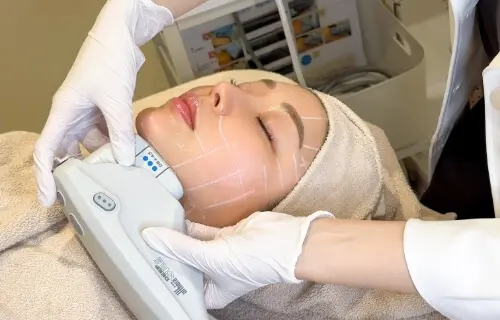
As we age, maintaining a youthful, lifted facial contour becomes a priority, but the prospect of invasive surgery or weeks of recovery can be daunting. High-Intensity Focused Ultrasound, commonly known as HIFU, has emerged as a highly popular non-surgical facelift alternative. However, the fear of pain often holds back those seeking a refreshed look. You might have heard conflicting reviews online, with some claiming the treatment is entirely painless, while others describe significant discomfort. Understanding the reality of HIFU pain and how modern technology addresses this concern is the first step toward achieving your aesthetic goals with confidence.
Is “Painless HIFU” Real? Easing Your Anxiety About the Treatment
The term “painless HIFU” frequently appears in beauty advertisements, leading many to wonder if it is simply a marketing gimmick. In reality, while completely pain-free treatments may not deliver the deep tissue alterations required for significant lifting, advances in medical technology have dramatically reduced the discomfort associated with the procedure. Many modern devices focus energy more precisely, making the sensation highly manageable for most individuals. Understanding what to expect during the session can significantly ease your anxiety, allowing you to approach your first treatment with peace of mind rather than apprehension.
What is HIFU in the First Place? How It Lifts Sagging Skin Without Surgery
HIFU stands for High-Intensity Focused Ultrasound. It is a widely used, non-surgical cosmetic treatment that utilizes focused ultrasound energy to target specific deep layers of tissue beneath the skin. Unlike surgical facelifts that require incisions and sutures, HIFU delivers thermal energy from the surface of the skin without damaging the epidermis. By focusing ultrasound waves onto a single point, the device generates controlled heat, stimulating the body’s natural regenerative responses and tightening the underlying tissue structure safely and effectively.
Effects of HIFU: What Concerns Can It Address?
HIFU is commonly used to address concerns related to skin laxity and aging, and many patients report visible improvement. It primarily targets sagging cheeks, mild jowling, loss of jawline definition, and the appearance of double chins. Additionally, the thermal stimulation promotes collagen and elastin production over the subsequent weeks, which helps smooth out fine lines on the forehead, around the eyes, and near the mouth. This dual action of immediate tightening and long-term collagen synthesis results in a firmer, more refreshed, and naturally youthful facial contour.
The Decisive Difference Between “Medical HIFU” and “Salon HIFU” You Should Know
It is crucial to distinguish between medical-grade HIFU performed at clinical facilities and esthetic HIFU offered at beauty salons. Medical HIFU devices are powerful, regulated machines operated by qualified healthcare professionals. They can reach the deeper SMAS (Superficial Muscular Aponeurotic System) layer of the skin using higher energy levels, which provides significant, long-lasting lifting results. In contrast, esthetic salons use low-output devices that only reach the shallow layers of the skin. While esthetic treatments are less expensive and may carry a lower immediate risk of discomfort, their effects are temporary and cannot match the structural lifting capabilities of medical-grade treatments.
The Truth About HIFU Pain: Is “Painless” True or False?
To put it simply, completely “painless” medical HIFU is generally a myth, but unbearable pain is also an outdated concept. Because the treatment relies on heat energy to stimulate tissue remodeling, some level of sensation is inevitable. However, describing it as extremely painful does not reflect the experience of most patients today. The level of discomfort varies significantly depending on the device used, the practitioner’s technique, and individual pain thresholds. With proper settings, most patients describe the sensation as easily tolerable, comparing it to a mild prickling or a warm, deep ache.
Why Do You Feel Pain? Two Main Causes
To understand why HIFU causes sensation, it helps to look at the biophysics of the treatment. The ultrasound energy bypasses the superficial skin layer and converges deep inside, creating localized thermal zones. This process triggers two distinct types of physical sensations, which patients often perceive as different kinds of pain during the procedure.
Cause 1: “Pricking” pain caused by thermal energy reaching the SMAS fascia
The first type of discomfort is a sharp, prickling, or tingling sensation felt near the skin’s surface. This occurs when the ultrasound waves focus on the SMAS layer, which lies approximately 4.5mm beneath the skin. This layer is rich in nerve endings, and the rapid rise in temperature to about 60 to 70 degrees Celsius stimulates these nerves. Patients often describe this as a series of tiny, hot needle-like pricks that subside almost immediately after the handpiece moves to the next area.
Cause 2: “Dull, heavy” pain from ultrasound reverberating in the bone
The second type of sensation is a deep, dull, aching pain that feels as if it is radiating directly from the bone. This occurs when the ultrasound waves penetrate deeply and reflect off underlying bony structures, such as the jawline, cheekbones, or forehead. This sensation is often described as a heavy pressure or a toothache-like discomfort. It is more common in areas where the subcutaneous fat layer is thin and the bone sits close to the skin surface.
Areas Prone to Pain and Individual Differences
Discomfort during HIFU is not uniform across the entire face. Areas with thin skin and prominent bone structures, such as the jawline, chin, and forehead, are notoriously more sensitive than fleshier areas like the cheeks. Individual pain tolerance also plays a massive role; factors such as fatigue, stress, hormonal fluctuations, and personal sensitivity can influence how intense the sensation feels. Experienced practitioners are well-aware of these variations and will adjust their technique and energy delivery when moving across different facial zones.
[Conclusion] Is “The More Painful, the More Effective” Wrong?
There is a common misconception that a more painful treatment yields superior results. While it is true that a certain level of thermal energy is required to stimulate tissue tightening, excessive pain is often a sign of unnecessarily high energy settings that could damage surrounding tissues or lead to burns. Modern HIFU devices are engineered to maximize treatment efficacy while minimizing superficial discomfort. Therefore, a highly painful session is not a prerequisite for a successful lift; rather, a precisely controlled, moderately warm sensation is generally a good sign. That said, the intensity of sensation also depends on individual factors such as bone proximity and personal pain threshold, so it should not be relied upon alone as proof of treatment quality.
Minimize Pain! How to Choose HIFU Without Regrets
Achieving a comfortable and effective HIFU experience depends heavily on the decisions you make before stepping into the clinic. By taking a proactive approach to your treatment selection, you can drastically reduce potential discomfort while ensuring beautiful, natural results. Here are the three most effective strategies to guarantee a comfortable HIFU journey.
How to Choose 1: Select the Latest Devices Designed with Pain Reduction in Mind
Technology has advanced rapidly, and newer generations of HIFU devices are specifically designed to reduce discomfort. Older machines delivered energy in slow, heavy pulses that allowed heat to build up uncomfortably. In contrast, modern medical-grade devices utilize advanced transducer technology to deliver energy rapidly and precisely in micro-focused points or continuous linear lines. This significantly shortens the duration of thermal exposure, keeping the treatment highly tolerable without compromising the lifting effect.
How to Choose 2: Select a Reliable Clinic with Extensive Experience
The skill of the practitioner is just as important as the technology itself. A highly experienced clinician understands facial anatomy thoroughly, allowing them to target the SMAS layer precisely while avoiding critical nerves and bone surfaces. Clinics with a strong track record of successful treatments are more likely to have refined protocols that prioritize patient comfort, ensuring you receive a tailored experience rather than a one-size-fits-all procedure.
3 points to confirm during your consultation
During your initial consultation, do not hesitate to ask detailed questions. First, inquire about the specific HIFU device they use and its pain-reduction features. Second, ask how they customize energy levels based on individual patient feedback during the procedure. Third, confirm their post-treatment care protocols and what support they offer in the rare event of complications. A transparent, patient-centric clinic will gladly provide clear, reassuring answers to all of these questions.
How to Choose 3: Consult About Ways to Alleviate Pain (Output Adjustment and Anesthesia)
If you are particularly sensitive to pain, communicate this openly with your provider before the session begins. Medical clinics have access to professional pain management options. They can apply a topical numbing cream prior to the procedure, which significantly reduces the superficial prickling sensation. Additionally, the practitioner can perform real-time output adjustments, lowering the energy level in highly sensitive areas like the jawline while maintaining optimal power in more tolerant areas like the cheeks.
What You Should Know About HIFU Effects and Downtime
One of the primary reasons busy professionals choose HIFU is its minimal disruption to daily life. However, understanding the timeline of your results and what to expect immediately after the procedure is essential for planning your schedule and managing your expectations realistically.
When Can You See the Lifting Effects? Duration and Recommended Frequency
Some immediate tightening is often noticeable right after the procedure due to the thermal contraction of collagen fibers. However, the most significant, natural-looking lifting and contouring effects develop gradually over the next two to three months as your body produces fresh collagen and elastin. These results typically last between six months to a year. To maintain your refreshed appearance and combat the ongoing natural aging process, many clinics recommend scheduling follow-up treatments every six to twelve months.
Downtime Other Than Pain: How Long Do Redness, Swelling, and Puffiness Last?
Compared to surgical options, HIFU downtime is exceptionally minimal. You may experience mild redness, slight swelling, or a feeling of puffiness immediately after the session, similar to a mild sunburn. These symptoms are completely normal responses to the internal thermal energy and usually subside within a few hours to a couple of days. Some patients also report a temporary, mild muscle soreness when pressing on the jawline, which typically fades within one to two weeks without affecting daily activities.
Post-Treatment Precautions and Aftercare
Proper post-treatment care is vital to protect your skin and maximize the rejuvenating effects of HIFU. Because the deeper layers of your skin have been exposed to thermal energy, your skin barrier will be temporarily delicate and dry. It is essential to apply a generous amount of moisturizer and wear high-quality sunscreen daily to shield your skin from UV damage. Additionally, avoid hot baths, saunas, vigorous facial massages, and excessive alcohol consumption for a few days, as these can exacerbate swelling and redness.
Frequently Asked Questions About “Painless HIFU”
To help you feel fully prepared and confident before booking your appointment, we have answered some of the most common questions potential patients ask about the sensations and safety of HIFU treatments.
Q. Does the pain continue after the treatment?
Generally, any acute pain stops immediately after the ultrasound energy delivery ceases. However, it is common to experience a mild, dull muscle tenderness or a bruised feeling when touching the treated areas, particularly along the jawline. This sensation is similar to mild muscle soreness after a workout and typically resolves naturally within one to two weeks.
Q. Is it still effective even if there is no pain at all?
Yes. With modern, highly advanced HIFU systems, the energy is delivered rapidly and precisely, and discomfort is often kept to a minimum for many patients. However, the level of sensation you feel also depends on individual factors like skin thickness and pain tolerance, so feeling very little pain does not by itself confirm the treatment is working at the correct depth; your practitioner monitors the settings to ensure proper delivery regardless of what you feel.
Q. Are there people who cannot receive HIFU?
HIFU is highly safe, but it is not suitable for everyone. Individuals who are pregnant or breastfeeding, those with active skin infections, severe acne, or open wounds in the treatment area, and those with metallic implants, pacemakers, or gold threads in their face should avoid the procedure. Always disclose your medical history fully during your clinical consultation.
Q. When can I apply makeup or take a bath after the treatment?
Because HIFU does not damage the surface of the skin, you can apply makeup and resume your regular skincare routine immediately after the treatment. You can also take a shower on the same day. However, it is best to avoid very hot baths, saunas, and intense exercise for the first 24 to 48 hours to prevent prolonged swelling or redness.
Summary: Find the Right “Low-Pain HIFU” for You with the Correct Knowledge
The idea of a completely painless HIFU might be slightly exaggerated, but experiencing severe, unbearable pain is certainly a thing of the past. By understanding the underlying science of how HIFU works and selecting a reputable clinic equipped with modern technology and skilled practitioners, you can enjoy a comfortable, highly manageable treatment. Armed with this knowledge, you can confidently take the next step toward a refreshed, naturally lifted appearance that seamlessly fits into your busy lifestyle, allowing your inner confidence to shine through.
監修医師

院長大河原 萌乃
経歴
- 2018
- 杏林大学医学部卒業
- 2018
- 東京女子医科大学病院にて皮膚科、麻酔科、形成外科などを経験
- 2020
- 某大手美容クリニックに入職しレーザー治療、ボトックス注射、ヒアルロン酸注入、また埋没や目の下のくまとり、糸リフトなどの手術も数多く経験
- 2023
- 某大手美容クリニックのスキン院長を歴任
- 2023
- MATSURIKA CLINIC GINZA(茉莉花クリニック銀座) 入職
所属学会
- 日本美容外科学会、日本抗加齢医学学会、日本レーザー医学会、日本医学脱毛学会
- アラガン施注資格認定医
- ジュビダームビスタ認定医
- ジュビダームビスタボリフトXC認定医
- ジュビダームビスタボリューマXC認定医
- ジュビダームビスタボライトXC認定医
- ウルセラ認定医
- サーマクール認定医
