




2026.08.23
Can Ulthera Leave Your Cheeks Hollow and Make You Look Older? Causes and How to Avoid It
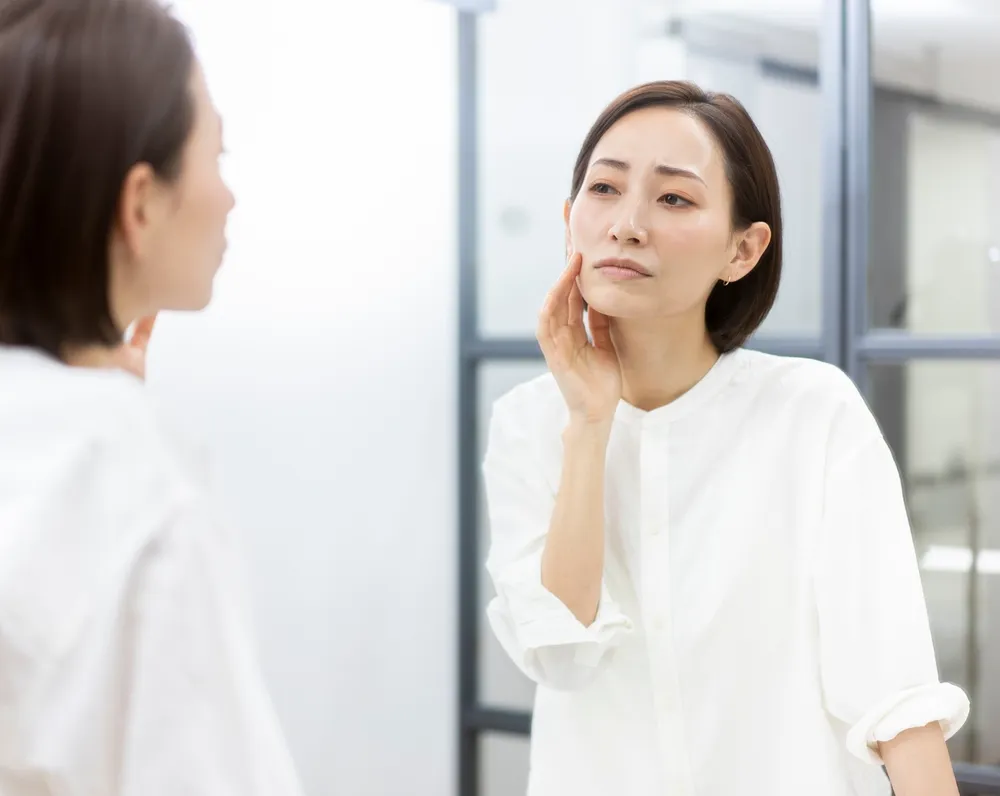
Ulthera is widely known as a non-surgical treatment for sagging skin, but online you will sometimes come across worried accounts of cheeks looking hollow afterwards, and of the face appearing older rather than younger. Precisely because this is a device capable of powerful lifting, having treatment without the right understanding carries a risk of unintended volume loss. Here we look in detail at why this happens with Ulthera, and at what to keep in mind in order to avoid it.
Five Reasons People Feel Ulthera Left Their Cheeks Hollow
Ulthera delivers thermal energy to the SMAS layer deep beneath the skin, contracting the tissue to produce a strong tightening effect. Depending on your facial structure and on how the energy is delivered, however, there are reasons the outcome can read as gauntness rather than lift.
Reason 1: Naturally Low Facial Fat, or a Slim Build
When someone who naturally has little fat in the cheeks and temples has Ulthera, the tightening effect can be too pronounced, accentuating the contours of the bone beneath. Ulthera does not only contract the skin — it also has a degree of thermal effect on the fat layer — so it can reduce volume in areas that need to stay full, and in some cases the result reads as an older-looking face.
Reason 2: A Treatment Design That Does Not Suit Your Bone Structure
Face shape, bone structure and fat distribution differ substantially from person to person. Delivering the same by-the-manual pattern to everyone can over-tighten the midface and lower cheek — areas that should retain fullness — creating unnatural shadowing. Applying energy uniformly to a one-size-fits-all pattern, without accounting for individual bone structure, is what leads to poor outcomes.
Reason 3: Insufficient Skill, or Limited Knowledge and Experience
Ulthera is a genuinely innovative device in that the physician can check skin structure on ultrasound imaging and adjust where energy is delivered — but reading those images correctly and delivering energy to the right depth demands considerable skill and anatomical knowledge. In the hands of an inexperienced operator without a firm grasp of the course of the facial nerve, the position of blood vessels and the thickness of subcutaneous fat, the treatment may not only fail to deliver proper results but also lead to complications such as fat atrophy.
Reason 4: Excessive Shot Counts, or Settings That Are Too High
Delivering more shots than the condition of the skin warrants, or treating at higher energy than necessary, in the hope of maximising results, is genuinely dangerous. Excessive thermal damage not only impedes healthy tissue recovery but also raises the risk of serious fat atrophy — which, once it occurs, does not resolve on its own.
Reason 5: Temporary Post-Treatment Changes Such as Swelling
Mild swelling or puffiness can occur from immediately after Ulthera and last for a few days. As that temporary swelling subsides, the face — which at first felt fuller and firmer — tightens, and the speed of that change is sometimes misread as hollowing of the cheeks. In many cases this is part of the normal course of tissue tightening, and the result settles into a natural finish with time.
Self-Check: Who Is More Prone to Hollow Cheeks After Ulthera?
Lifting treatment with Ulthera is not equally suitable for everyone. Understanding the characteristics of your own bone structure and skin in advance helps prevent a gap between what you expect and what you get.
People with Low Facial Fat, or a Slim Build
Take particular care if your face does not carry much fullness and what stands out is flatness or thinness rather than sagging along the jawline. When Ulthera’s tightening action takes effect, further loss of softness can emphasise bony structure and leave you looking more tired than your actual age.
People with High or Angular Cheekbones
If your cheekbones project forwards or to the sides, the area beneath them — the hollow of the cheek — needs natural volume. Further tightening of the fat around the cheeks by Ulthera can make the projection of the cheekbones more conspicuous, casting strong shadows and emphasising an angular contour.
People with a Long Face Shape
A longer face benefits from a moderate fullness around the cheeks to soften the vertical line. When Ulthera tightens the jawline sharply, horizontal volume is reduced and the vertical length tends to be emphasised. The face can become too sharp, giving others an impression of gauntness.
Five Points for Getting Ulthera Right
Keeping the risk of a disappointing outcome to a minimum — and achieving a natural, youthful result — comes down to thorough preparation before treatment and careful choice of clinic. Keep the following five points in mind.
Point 1: Have a Physician Assess Whether Your Face Suits Ulthera
It is critically important to have your bone structure and fat volume assessed properly by a physician at the consultation stage. A physician you can trust will not simply accept your request at face value; if Ulthera does not suit your facial structure, they will tell you honestly and propose avoiding treatment that is not right for you.
Point 2: Choose a Physician and Clinic with Extensive Ulthera Experience
Ulthera is not a machine that delivers results by pressing the button according to a manual. It requires the skill to judge, moment to moment, the thickness of the individual’s skin and the position of the SMAS layer. At your consultation, ask specifically about the clinic’s treatment record, case numbers and specialist training, and choose an experienced physician with a solid command of anatomy.
Point 3: Go Over the Expected Outcome and the Risks Carefully at Consultation
Ask for a clear explanation before treatment of what changes you can expect afterwards, and what side effects and risks are involved. Rather than taking a simple “your sagging will lift” at face value, choose a clinic that takes the time to simulate the outcome with you — that is how you avoid regret afterwards.
Point 4: Look at Case Photographs of People Similar to You
When reviewing the case photographs a clinic presents, look for people of your own age group with a similar bone structure and fat distribution. Photographs showing longer-term progress — three months or six months on, not just immediately after treatment — make it much easier to picture how results actually emerge.
Point 5: Consider Treatments Other Than Ulthera
Ulthera is not the only option for sagging. Depending on your skin condition and the amount of fat you have, another device, an injectable treatment or a thread lift may suit you better. A clinic that presents and compares multiple options, rather than fixating on one treatment, lets you pursue the result you want more safely.
Getting the Most from Ulthera While Avoiding Hollow Cheeks
Rather than relying on Ulthera alone, combining it sensibly with other treatments and observing the right rules around treatment makes it possible to achieve strong lifting while avoiding hollowing.
Combination Treatment with Hyaluronic Acid Filler
Even for those prone to hollow cheeks, a combination approach — Ulthera along the jawline where tightening is wanted, hyaluronic acid filler in the mid-cheek and temples where volume is lacking — can create a three-dimensional, youthful heart-shaped contour. Because skin tissue is unstable immediately after Ulthera, however, filler is generally placed after an interval of several months.
Combining with Other Tightening Treatments Such as Thermage
Where Ulthera delivers strong thermal energy at focal points, Thermage uses radiofrequency (RF) to tighten the skin gradually across a broad surface area. Because Thermage carries a comparatively lower risk of fat atrophy, it has the advantage of delivering tightening even for those with less facial fat, without the same concern about hollowing. Combining these appropriately under a physician’s judgement helps maintain a more natural texture.
Keep to Appropriate Intervals Based on Age and Skin Condition
Repeating Ulthera excessively at short intervals — under three months, for example — in the hope of sustaining results disrupts the skin’s repair cycle and can cause serious hollowing and an older appearance. Since the effect of Ulthera lasts roughly six months to a year, the rule for staying on the safe side is maintenance timed after the peak has passed but before the effect has fully faded — around once a year.
What to Do If Your Cheeks Have Become Hollow After Ulthera
If you do feel that your cheeks look hollow and drawn after Ulthera, do not panic — consider the appropriate options calmly. Even where atrophied fat is slow to return, there are ways to correct the appearance.
Option 1: Start by Consulting the Clinic That Treated You
If you notice something amiss, or a sharp reduction in volume, after treatment, speak first to the physician who treated you. If the change is part of temporary post-treatment swelling subsiding, it may settle over one to two weeks. Having the physician who knows your course best assess your current condition is the first step.
Option 2: Restore Volume Where Needed with Hyaluronic Acid Filler
Where fat has clearly diminished and deep shadows have formed on the cheeks, restoring volume with hyaluronic acid filler is highly effective. Replacing volume in the hollowed areas with the right amount of filler, in stages, restores natural fullness and can improve the impression immediately towards a more youthful look.
Option 3: Consider a Second Opinion or Corrective Treatment Elsewhere
If you have lost confidence in how the treating clinic is handling the situation, or you are not satisfied with the solution offered, seek a second opinion at a reputable clinic that publishes an extensive record of corrective work for patients treated elsewhere. What matters is resuming treatment under an ethical physician who will propose the best corrective plan from among several possible approaches.
Frequently Asked Questions About Ulthera
Here we answer some of the questions that come up most often when people are considering Ulthera.
Q. How painful is Ulthera, and how much downtime is there?
When energy is delivered close to bone or over thinner skin, Ulthera can produce a strong prickling heat or a throbbing pain. Sensitivity varies between individuals; if you are concerned, topical anaesthetic cream or nitrous oxide sedation can be used. There is little downtime, though some people experience mild redness, swelling or a dull ache similar to muscle soreness for a few days. Temporary facial nerve palsy after treatment has also been reported, albeit rarely, which is why it is important to be treated by a physician with solid anatomical knowledge and extensive experience.
Q. When will I see results, and how long do they last?
Some people notice a temporary sense of tightening immediately after treatment, but the full effect emerges gradually over two to three months and peaks at three to six months. Duration varies between individuals; generally a good result is maintained for around six months to a year, or up to about eighteen months in some cases, after which the skin returns gradually to its former state in step with natural ageing.
Q. How does Ulthera differ from other medical HIFU devices, and from Thermage?
Ulthera is the only ultrasound device with FDA clearance for lifting in the treatment of sagging skin, backed by data from more than 50 clinical trials. Other medical HIFU devices differ from model to model in output and delivery precision, so when choosing it is important to check each device’s regulatory status and evidence individually. Thermage, meanwhile, uses radiofrequency to tighten across a surface area from the dermis through the subcutaneous tissue: where Ulthera lifts the foundation (the SMAS layer), Thermage tightens overall skin laxity.
Q. What is the typical cost?
Ulthera is private, self-pay treatment not covered by insurance, so prices differ by clinic. Full-face treatment ranges roughly from ¥150,000 to ¥300,000 or more, and it is important to confirm in advance whether the consultation fee, anaesthesia and post-treatment follow-up are included in the quoted price.
Summary: Understand Ulthera Properly and Work with a Physician You Trust
Ulthera is an excellent device capable of improving sagging from the very foundation of the skin, but without customised delivery based on each patient’s bone structure and fat volume it can lead to outcomes such as hollow-looking cheeks. What matters is not deciding on treatment simply because it is popular, but having an experienced physician assess carefully whether it suits your face. Find a physician who will be your partner and who is honest about the risks as well, and achieve a natural youthfulness that nobody around you will notice as treatment.
監修医師

院長大河原 萌乃
経歴
- 2018
- 杏林大学医学部卒業
- 2018
- 東京女子医科大学病院にて皮膚科、麻酔科、形成外科などを経験
- 2020
- 某大手美容クリニックに入職しレーザー治療、ボトックス注射、ヒアルロン酸注入、また埋没や目の下のくまとり、糸リフトなどの手術も数多く経験
- 2023
- 某大手美容クリニックのスキン院長を歴任
- 2023
- MATSURIKA CLINIC GINZA(茉莉花クリニック銀座) 入職
所属学会
- 日本美容外科学会、日本抗加齢医学学会、日本レーザー医学会、日本医学脱毛学会
- アラガン施注資格認定医
- ジュビダームビスタ認定医
- ジュビダームビスタボリフトXC認定医
- ジュビダームビスタボリューマXC認定医
- ジュビダームビスタボライトXC認定医
- ウルセラ認定医
- サーマクール認定医
